Keeping Auckland International Airport running smoothly
Client
CSE Genesis
Work Types
Web App, Integrated Systems, Radio Systems
Technologies
VUEJS, CSHARP, DOTNET, MOTOROLA, SQL
Managing radio assets in a busy, high security environment
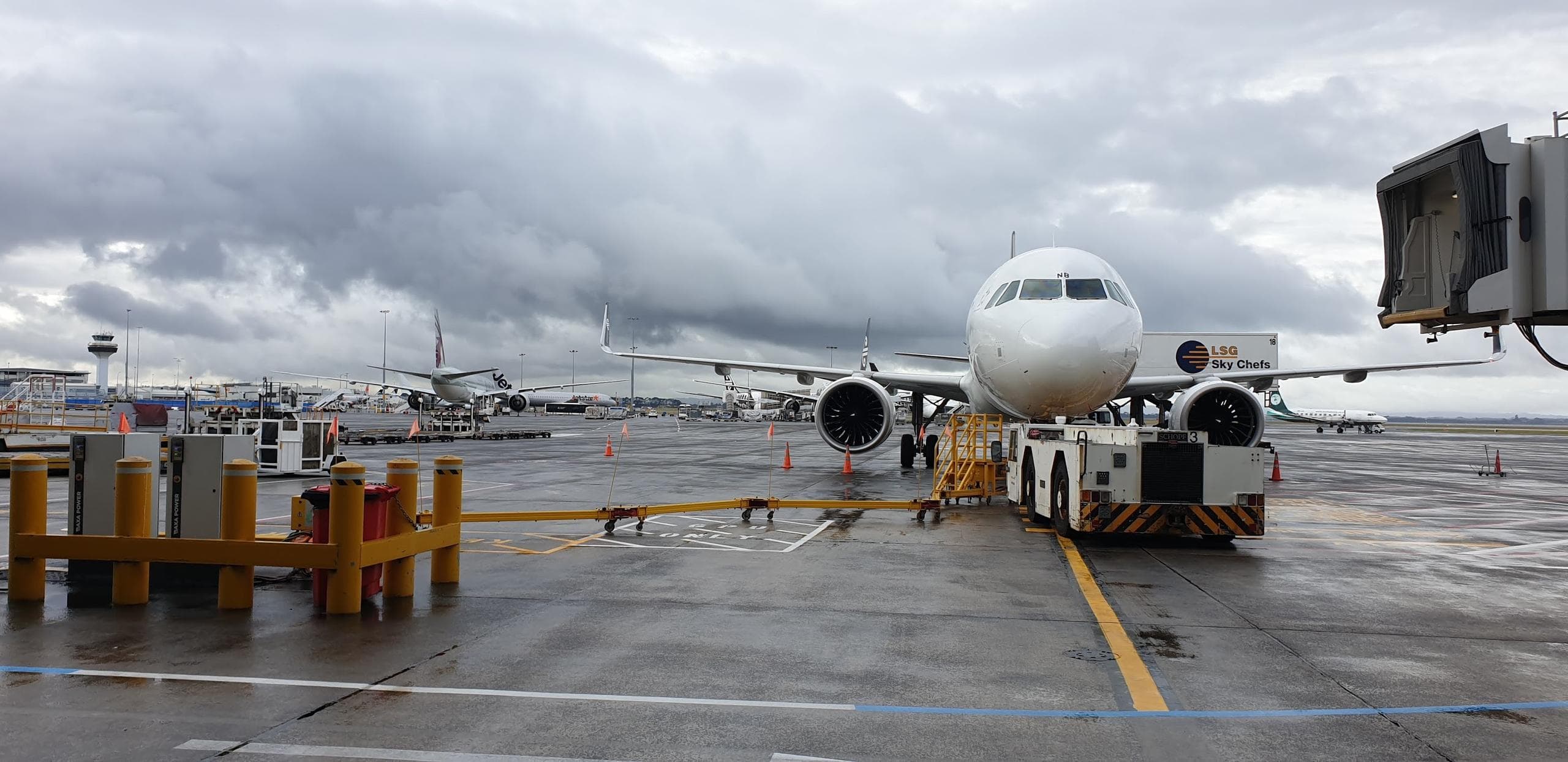
Departments throughout the airport use radios in daily operations - so fast, easy access to devices is critical for staff to do their jobs. Airport management were struggling with devices unaccounted for and not having clear oversight of which departments and staff were using them. This hindered getting these mission-critical devices into the hands of those that needed them and brought additional costs to replace missing devices.
The asset management system needed to be easy to use, able to be accessed from terminals throughout the airport, integrate with the existing Motorola radio devices used at AIAL, and give management an overview of who was using each device. AIAL is a highly secure environment so this needed to be taken into account, not only in the design of the digital solution, but also the implementation.
Understanding airport operations and radio use
During the discovery process Calo spent time at AIAL understanding the way radio devices were used by individuals and different departments. Cleaners had different requirements from operations managers, so these differences needed to be taken into account when developing the system.
Any radio taken near aircraft must be intrinsically safe, it cannot create a spark. NETiD needed parameters built in to prevent staff who operate near aircraft from taking radios that didn’t meet these requirements.
Creating NETiD
NETiD is a full asset management solution for AIAL, encompassing an admin portal where radios can be monitored at all times, a physical terminal where radios are checked in and out, and a custom API allowing terminals to communicate with the radio devices.
Admin portal
The admin portal provides a real time overview of stock use. The easy to use interface quickly shows which radio has been checked out and by who, how long it had been in use, how many radios are available, high and low use devices, and which terminals are being used to check radios in and out. Radio use can be grouped by individuals and departments and supervisors also have the ability to remotely assign or lock radios.
Physical terminal
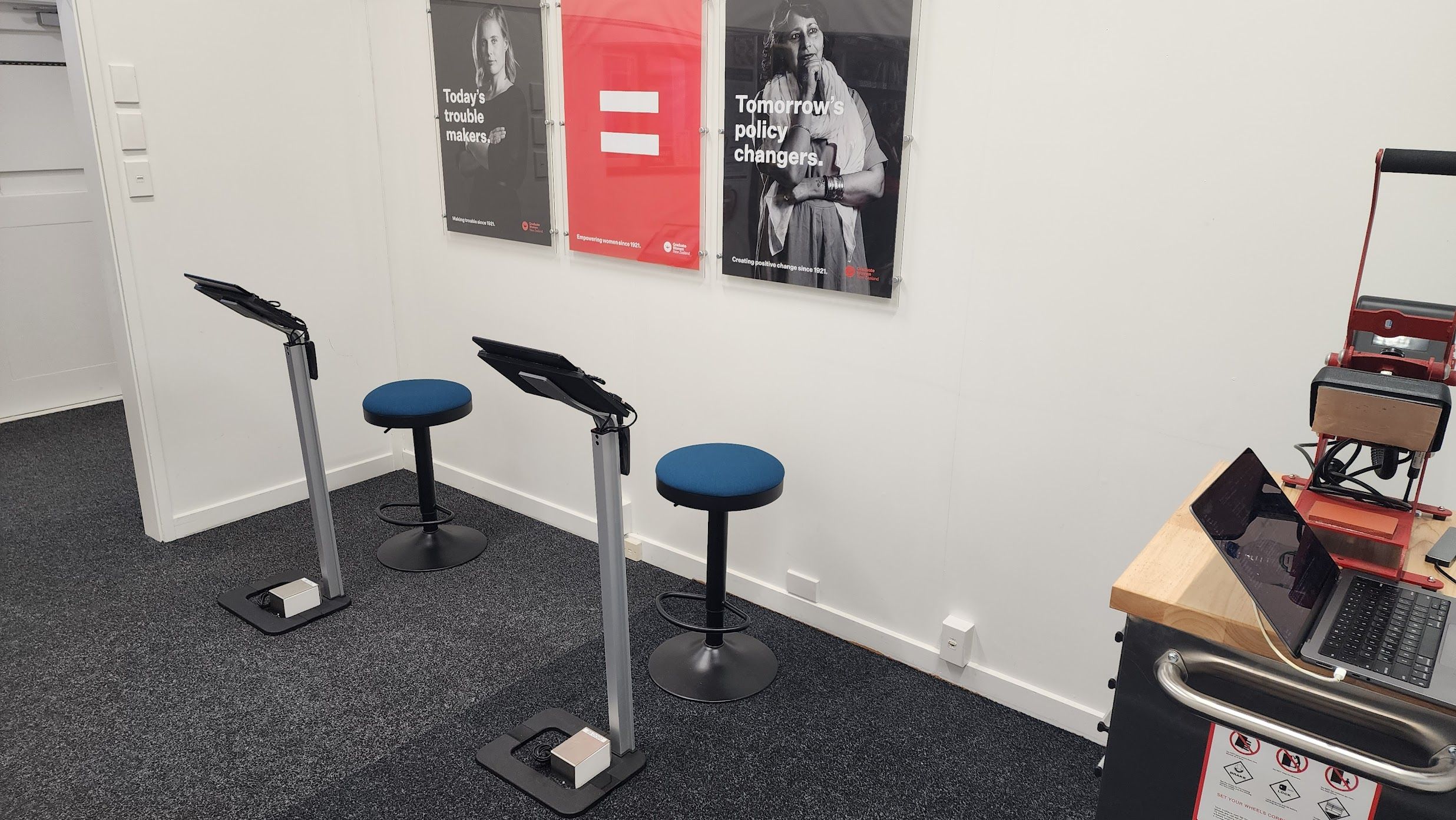
Terminals are located throughout the airport for ease of use, and the information from each terminal is fed into one synchronised system, so the admin portal is kept up to date. For the system to be successful it needed to be fast and easy to use. The terminals and application have been designed to integrate with staff access fobs; staff swipe their access fob along with a radio at the start of their shift, and radios are scanned at the terminal to return.
Custom API
This bespoke application needed to work with the existing Motorola devices and staff RFID fobs. The team at Calo built Terminal API to allow terminals to pass commands to TRBONet, which controls Motorola radios over their Tier 3 Capacity Max network.
Business outcomes
With the focus on tracking and monitoring radios, NETiD has given radio users more accountability for the devices they use, which has reduced misplaced stock. The easy to use system has reduced the admin load on supervisors.
Related Projects

RFID Bin Rollout